

“Yet while worship is indeed something we do, true worship begins not with what we need to produce, prove, or accomplish, but with rest in what God has already done.”


“Whether you’re singing or preaching, you’re sharing from the heart and from your own experience with God, and that translates differently than if you were simply performing.”


How do we introduce Indigenous people to a loving Creator when Christianity itself has sometimes contributed to a distorted picture of Him?

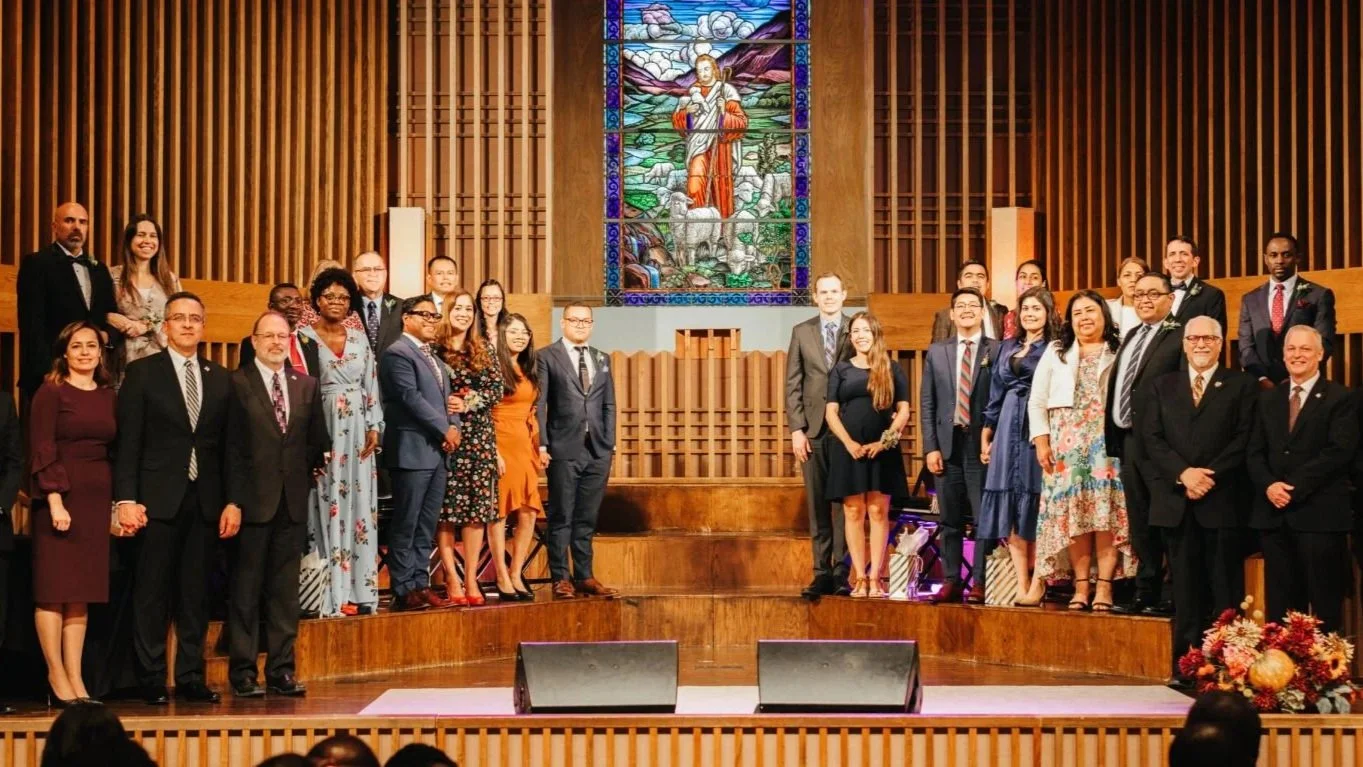
We became a ‘seven-days’ Adventist Church by moving from our traditional church building in an upscale city into a 107,000-square-foot warehouse near an impoverished working-class community.
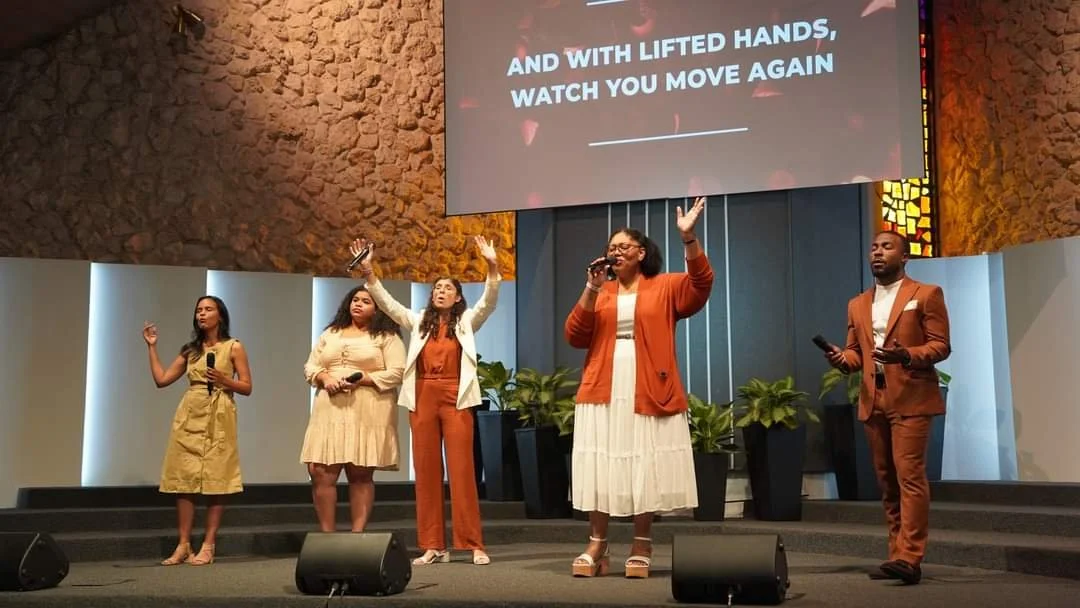
“Connectedness to the Vine and our life-giving Savior is essential to creating lasting worship teams. It surely overflows into their worship, but also into the way they relate to their team members, the relationships they maintain, and their level of spirituality as a whole.”
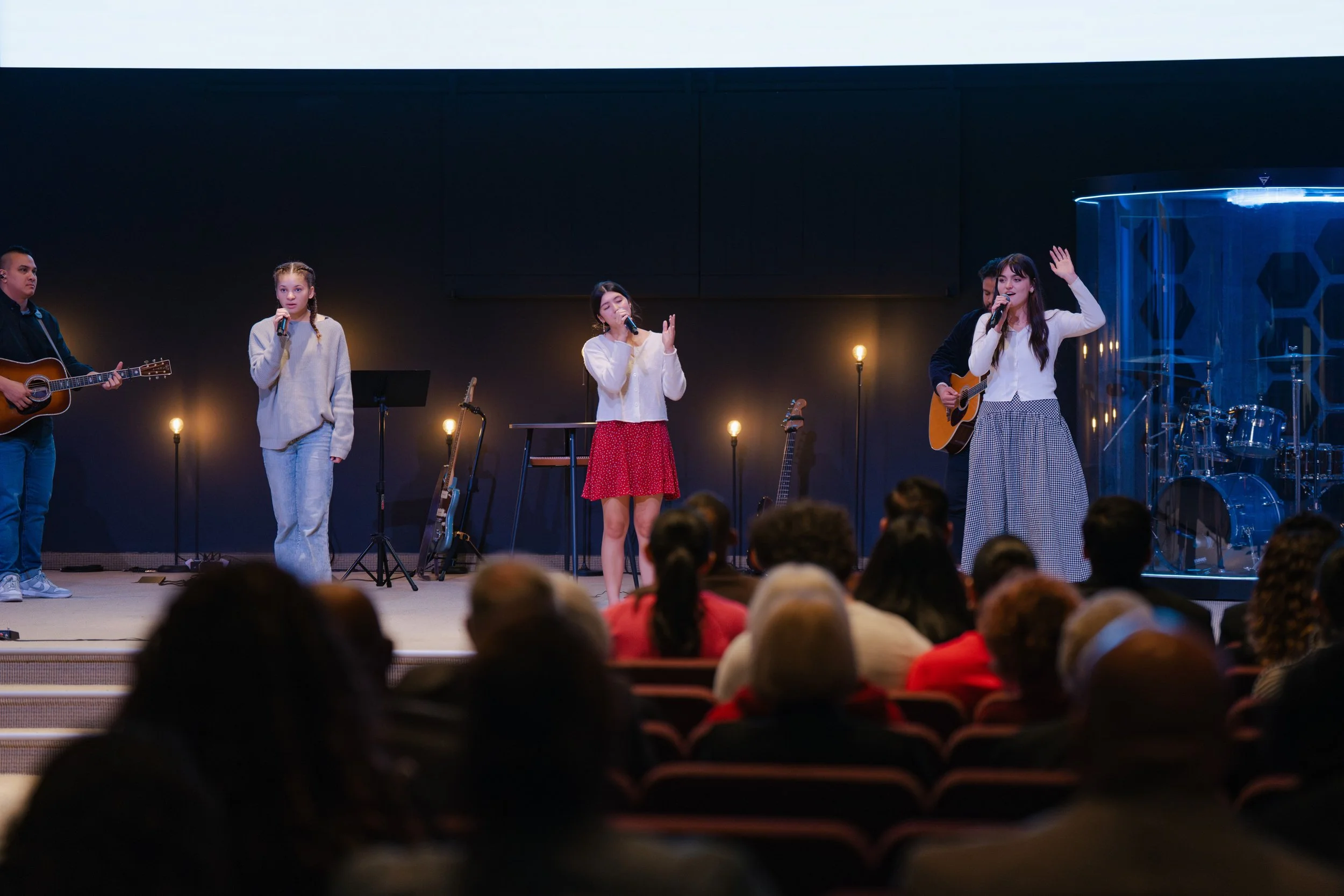
“At the end of the day, I don’t just want to develop better musicians; I want to help develop people who love Jesus deeply and lead others to Him. When that’s the foundation, excellence becomes an act of worship instead of a pursuit of perfection.”

“For a few weeks, people who spoke different languages, dressed differently, sang different songs, and carried different histories discovered they could share the same spaces, admire one another’s traditions, and participate in something larger than themselves.”

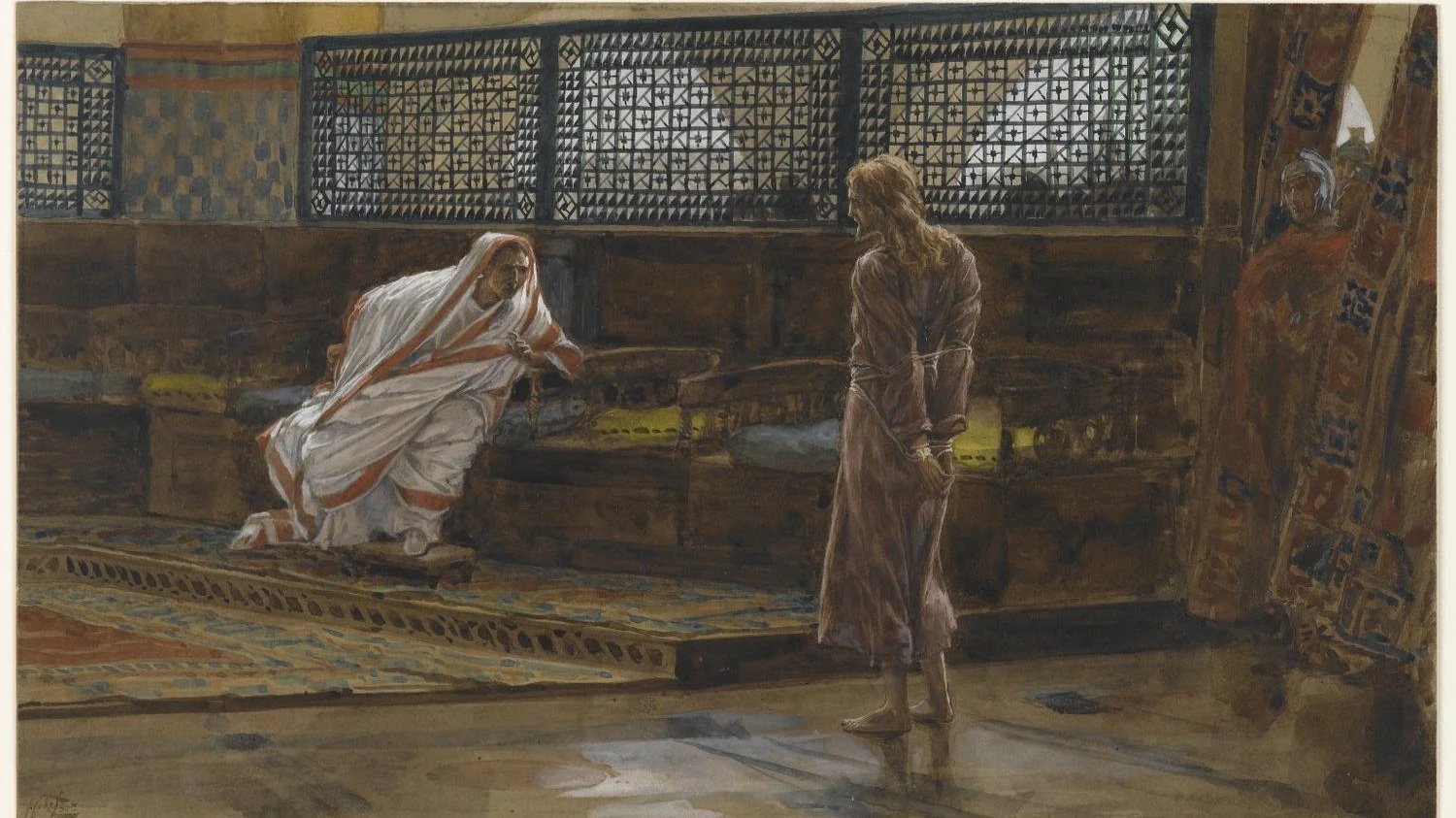
It has never been more important for Adventists to refuse to conflate religious identity with political tribe.

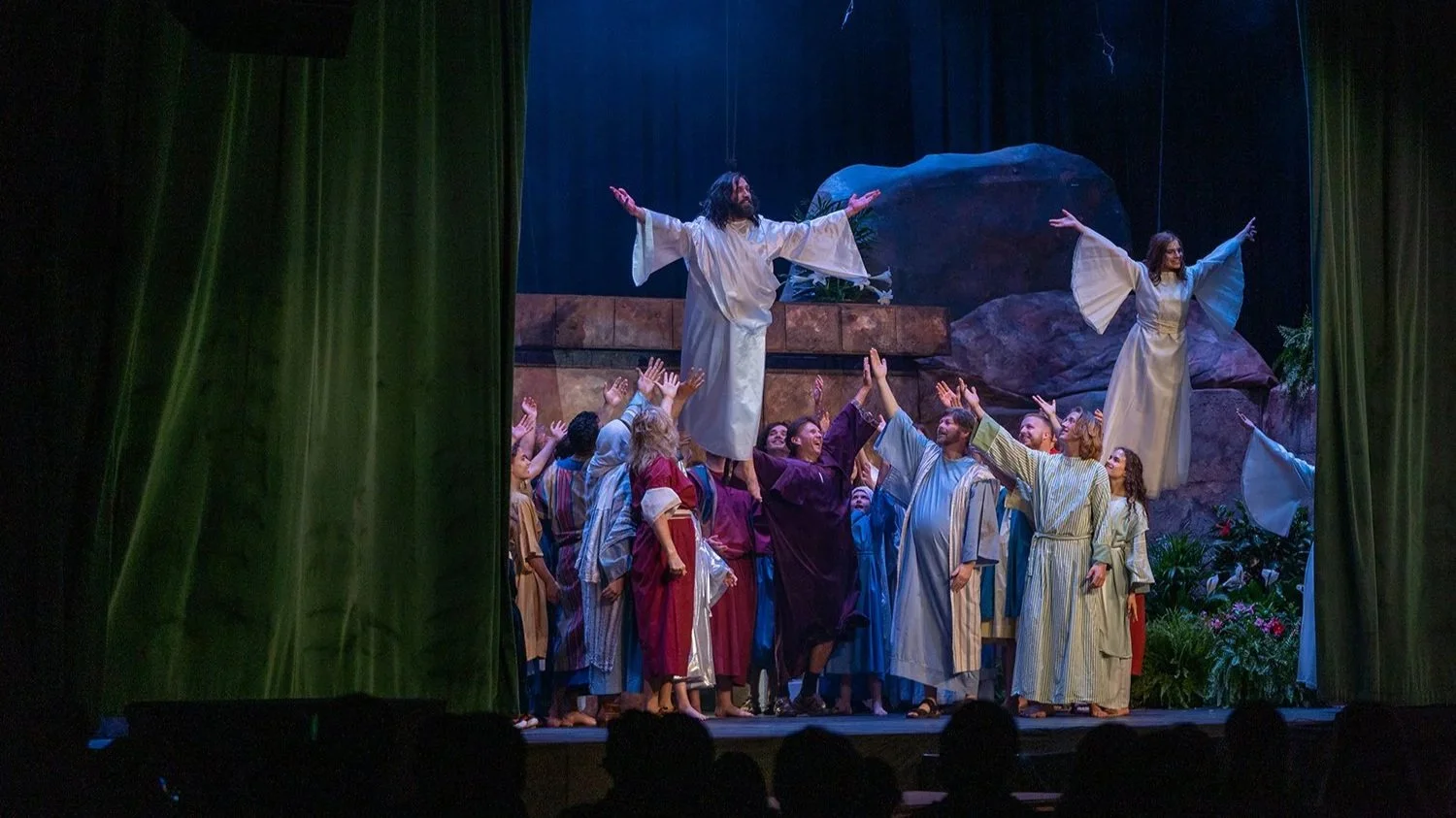
Entering into conflict to resolve disruptions is part of how we “bear one another’s burdens.”
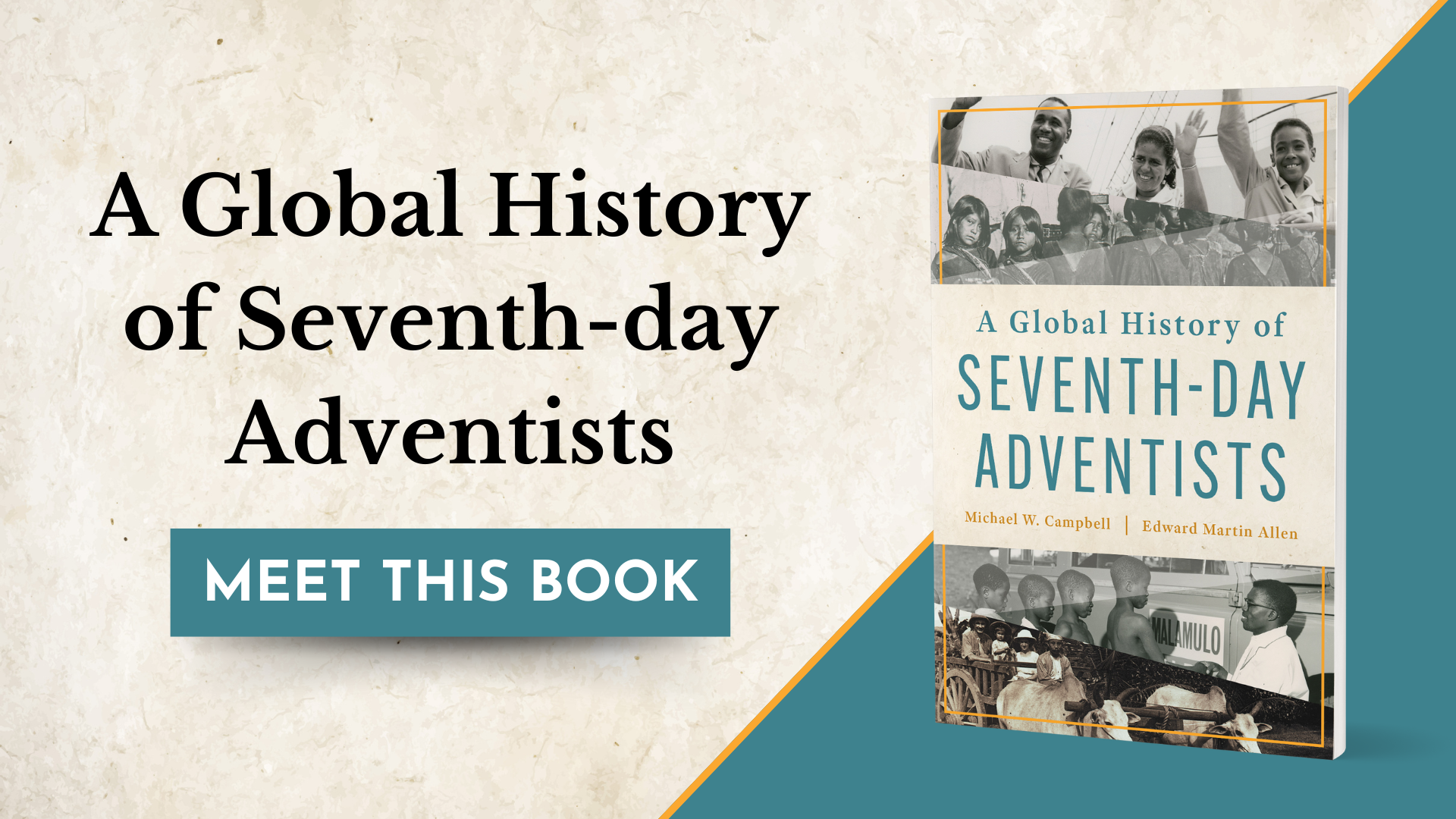
This book marks the clearest step yet toward a genuinely multi-centered account of the church.
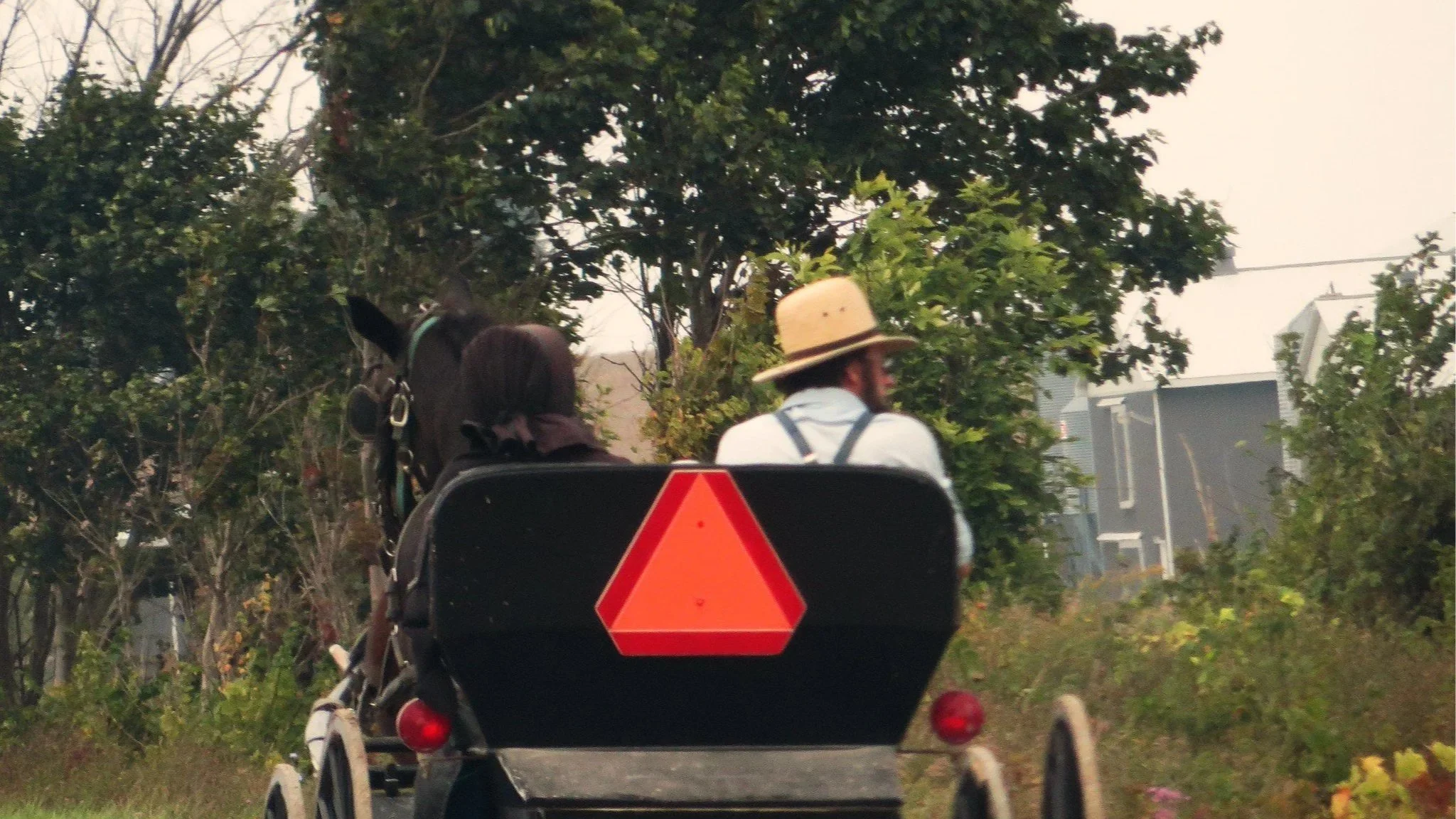
How a Seventh-day Adventist church overcame cultural differences with believers in the three angels’ messages following a simple way of life
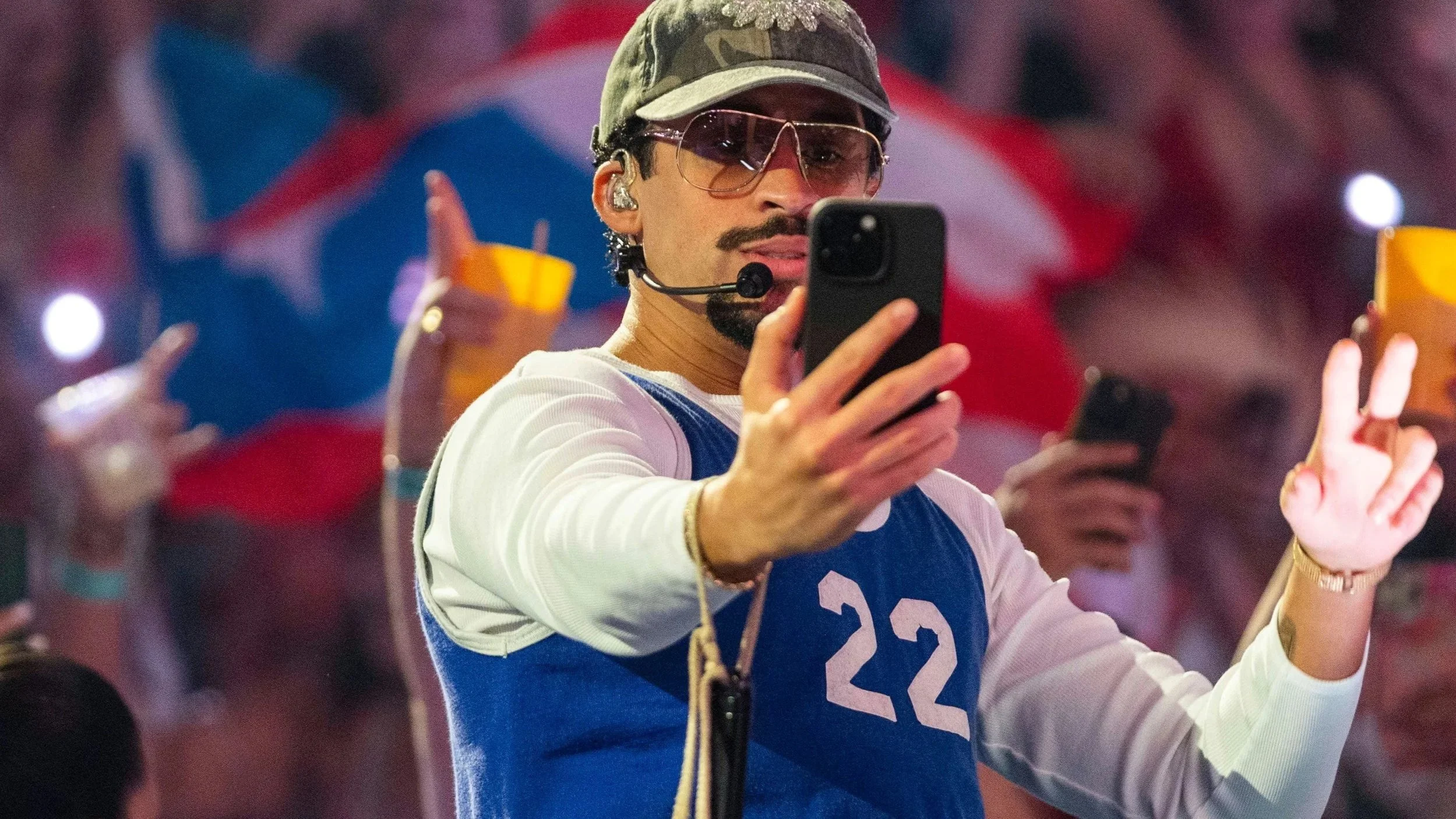
The healing the diaspora longs for finds its completion not in a cultural moment but in the person of Jesus.

“A gospel that remains disembodied will inevitably lack credibility. Gospel-centered preaching finds its integrity when it is matched by a church willing to live the message it proclaims. Without that embodied witness, compassion risks becoming momentary concern rather than sustained commitment.”

“So, who pastors the pastors? In the truest sense, the answer is both simple and profound: we do. As a priesthood of all believers, we pastor one another. What the Great Shepherd reveals to one becomes nourishment for all. In gathering together—listening, learning, and submitting ourselves anew to the Spirit—we find our own wells refilled.”
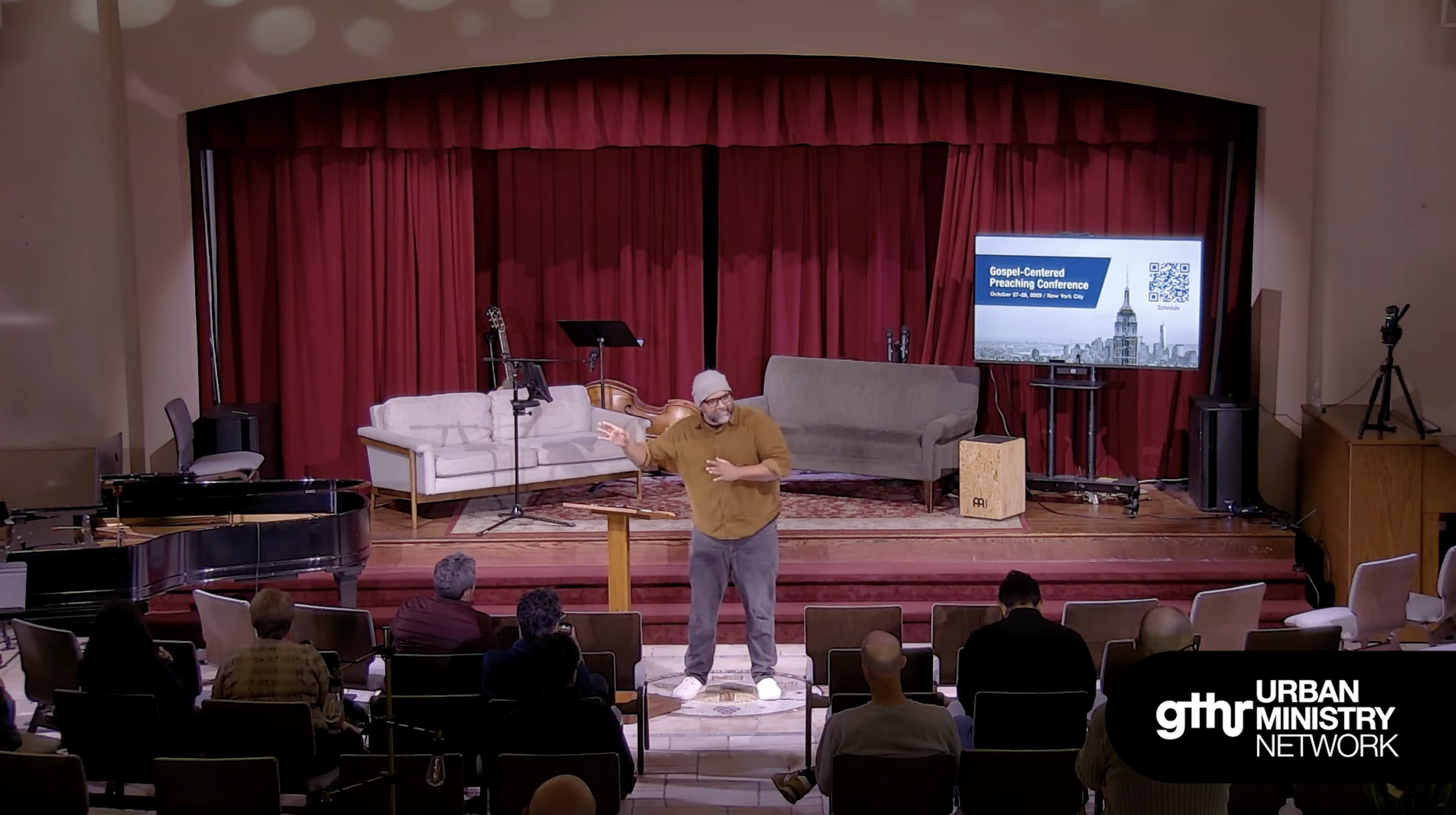
“This Conference, though, reminded me where true power resides—and that has been reflected once again in my preaching. Through the influence of the various speakers, I’ve been inspired afresh to make much of Jesus and the gospel. This doesn’t mean I have discontinued to focus on other pressing matters and issues, but I have recommitted to framing everything I preach about within the context of the gospel.”

“The fruit of the Spirit is essential to the mission of the church. Proclamation of the Three Angels’ Messages includes not only spoken truth but lived truth through acts of loving service to humanity. What a privilege and joy to share the good news of Jesus Christ in this way!”

“In the cross of Christ, we see a God who, though profoundly misunderstood and rejected, continues to choose us—continues to confront injustice with love. Only love is stronger than hate, more powerful than evil, and stubborn enough to walk with us and work through us until the day when all things are finally made whole.”

How understanding andragogy can make pastoral professional development less of an obligation and more of a gift



ARCHIVE