
Building Teams That Last
By Vanessa Hairston
Growing up, a health professional gave a week of seminars at the church I attended. I remember my parents began checking the sides of cereal boxes to ensure they didn’t have more than 10 grams of sugar and adding even more vegetables to our plates. The cherry on top to ensure weight loss was his “water cleanse.” Add a few lemons, a tablespoon of cayenne, and a squeeze of honey to a gallon of water, and you’ll lose twenty pounds in less than a month. The result? Ten pounds lost and then twenty pounds gained because drinking only water for a month isn’t sustainable.
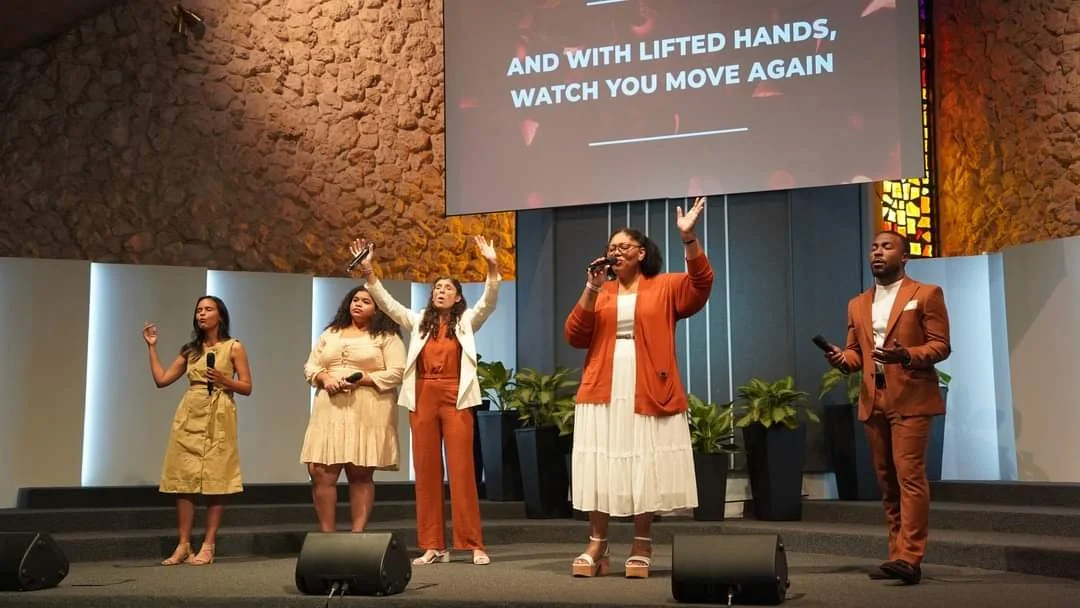
When we are crafting our worship teams, how do we create them to be resilient? Is creating a dream team only reserved for the ’90s Chicago Bulls or the Avengers? When building a lasting team that effectively touches the hand of heaven to bride, I believe there are three Cs to consider: connectedness, community, and capacity.
Connectedness and community tend to overlap, so I distinguish them by way of direction: connectedness aims vertically and community horizontally. Psalm 1 describes a man who is connected to the streams of living water. They don’t wither when times are turbulent. Burnout is far too common in our culture, and it often occurs when we pour out more than we receive. Connectedness to the Vine and our life-giving Savior is essential to creating lasting worship teams. It surely overflows into their worship, but also into the way they relate to their team members, the relationships they maintain, and their level of spirituality as a whole.
Working with a steady team on a weekly or monthly basis creates opportunities for spiritual formation in a small-group community setting. This connectedness to Christ can overflow and influence the team in such positive ways that it’s no wonder Jesus says He is present where two or three gather. I believe that, for teams to last, it’s advantageous to build community outside of simply singing together. Building relationships offstage can positively affect onstage chemistry. Seeing how the Holy Spirit moves in your bandmates in more relaxed environments, like small groups, can lead to an awareness of what the Holy Spirit is actively doing during a worship set. The rotation I recommend is ten weeks on, ten weeks off, and continuing this cycle throughout the year. Our small group meets virtually and works through a book about worship or spiritual growth as we read one chapter a week. This group has led to deeper relationships and a greater understanding of how God moves in each of our lives.
Capacity can range from talent to time for each group member. Psalm 33:3 declares, “Sing unto him a new song; play skillfully with a loud noise.” How often do we fill vacant positions simply because the pressure is on? Everyone is called to worship, but not everyone has been given the gift of platform worship leading. If people don’t have the capacity to learn music, stay on beat, or sing notes that don’t sound like an ambulance siren, the longevity of the team will suffer. Rather than dreading three-hour practices where team members struggle through harmony splits, consider the team members’ capacity to learn songs that professional worship bands make sound easy. Capacity also refers to the time people have to commit to leading worship. Does their life allow space to craft, practice, and then execute a playlist of four or five songs? Or do they need a break for a season and then rejoin when grad school is finished, the kids are more independent, or the sickness has passed?
To end with some practical elements, make practice time something to look forward to. Can someone host it at their house like a vespers? Can one member always have a new joke prepared? Do the setlists have to include five brand-new songs, or can they include some familiar four-chord progressions instead? Can the AV setup for the instruments happen separately from the singers, so time is maximized? Can a rotation of at least two or three teams, with three to four people per team, be set up so that no one team is overburdened? Can tools be utilized so that people can learn their harmony before practice, allowing practice to focus on blending instead? I like to send out my worship list with lyrics that tell people who is leading each song, where we are harmonizing or singing in unison, and any breakdowns I want to see throughout the song. This allows people to go into practice ready to worship confidently and troubleshoot minor things rather than major ones.
With small efforts, it’s plain to see we don’t need the Incredible Hulk to create a lasting team. God takes our intentionality and helps us work together as different parts of one body to glorify His name.