
Discipling Young Worship Leaders: A Conversation with Worship/Youth Pastor David Hernandez
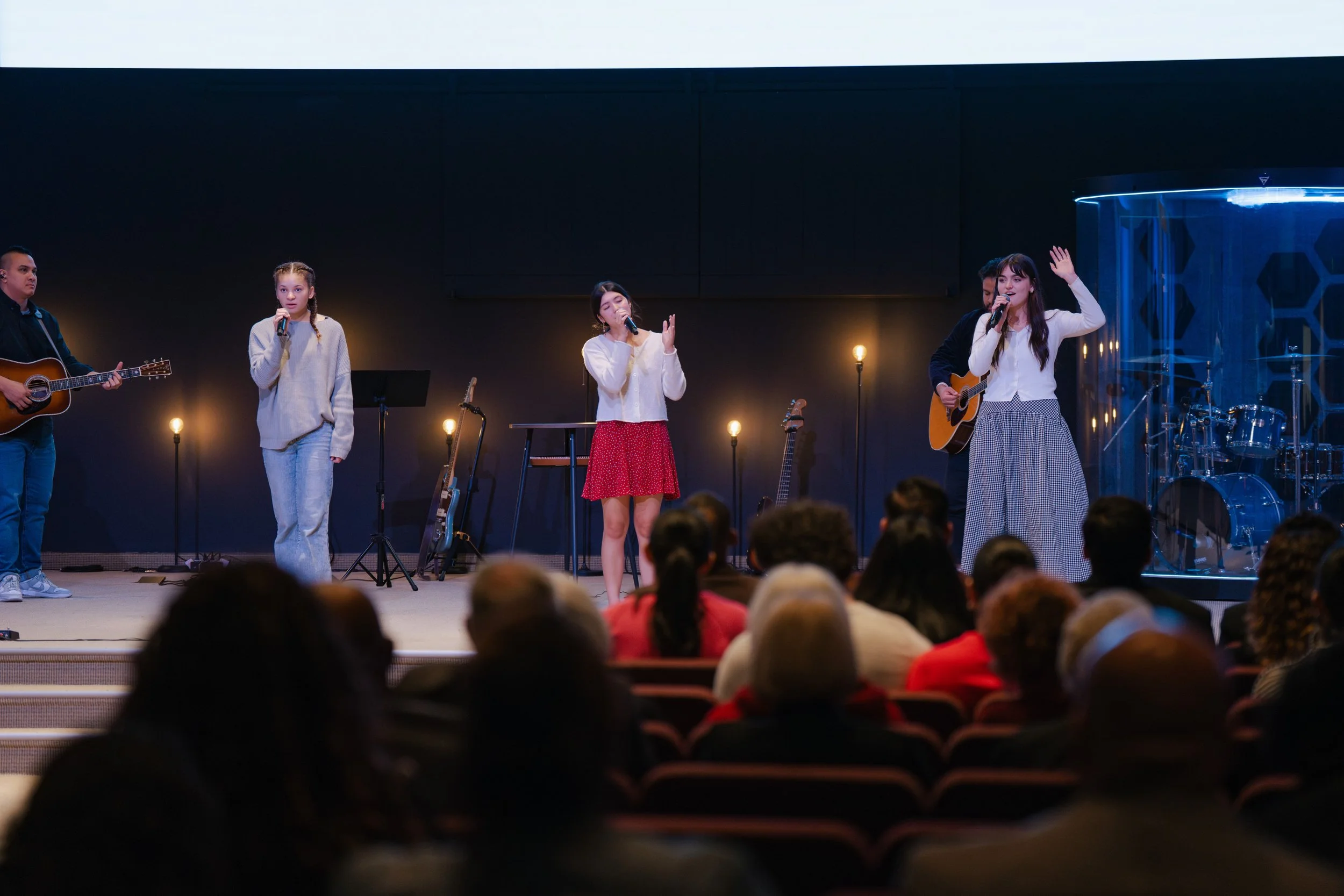
Best Practices for Adventist Worship (BP): Many churches want to involve more young people in worship leadership but aren't sure where to begin. What have you found to be the most effective ways to identify, encourage, and develop young worship leaders?
David Hernandez (DH): I believe it begins with creating intentional space for young people. We have to genuinely believe they can contribute to the worship experience and culture of the church, that they don’t just represent the future of the church, but are an important part of it today. When young people know they belong, they’re much more willing to step forward and use the gifts God has given them.
Identifying future worship leaders starts with paying attention. If you’re looking for them, you’ll find them. Sometimes it’s noticing a student quietly singing along during youth group or hearing someone worship during a church service and recognizing a beautiful voice, or simply seeing potential. While musical ability matters, I’m just as interested in finding people who are teachable, authentic, and have a genuine heart for worship.
Encouragement comes through belief. Young people often borrow our confidence before they discover their own, so I make it a point to tell them, “I believe you can do this.” At the same time, I try not to place them in situations where they’re likely to fail. We intentionally pair them with experienced leaders, give them songs well in advance, and choose music they’re familiar with so they can focus on worship rather than performance.
Developing worship leaders is a long-term investment. It takes time, consistency, and intentional mentorship. Some churches inherit an established worship team, while others have to build one from the ground up. That growth happens by teaching, encouraging, and gradually giving young people opportunities that stretch them.
I recently had the privilege of leading worship alongside two of our incoming high school seniors. During our Sabbath morning rehearsal, we had to change vocal harmonies on the spot, and they adapted immediately. That confidence didn’t happen overnight. It was the result of years of intentional investment, through the worship ministry at their school under Adam Washington’s leadership, and through the opportunities we’ve given them to lead in our local church. It’s a reminder that when we create space, invest in young people, and trust them with meaningful responsibility, they often become far more capable than we first imagined.
BP: From your experience, what are the biggest mistakes churches make when trying to engage young people in worship ministry, and how can they avoid them?
DH: One of the biggest mistakes churches can make is unintentionally putting young people in a box and not allowing them to fully express the gifts and creativity God has given them. While every church has its own culture and values, it’s important to create space for young people to contribute in ways that are authentic to them. When we place too many parameters around how they should lead, we can unintentionally communicate that worship is more about preserving our preferences than inviting the next generation to participate in the life of the church.
Another mistake is not providing enough support. I’ve made this mistake myself. There have been times when I’ve asked a young person to step in and lead, but afterward realized I hadn’t surrounded them with all the resources, preparation, and encouragement they needed to truly succeed. Those moments have reminded me that if I want young leaders to thrive, I have to be just as intentional about supporting them as I am about giving them the opportunity.
Finally, I think it’s essential to invest in relationships before expecting responsibility. Trust is built long before someone steps onto a platform. When young people know they’re loved, valued, and genuinely cared for, they’re much more willing to receive feedback, grow through challenges, and embrace leadership. In my experience, discipleship always comes before leadership, and strong relationships make both possible.
BP: As both a worship leader and a youth and young adult pastor, how do you help young musicians and vocalists see worship leadership as more than simply leading songs—as holistically leading the congregation into an encounter with God?
DH: I try to help our young worship leaders understand that worship is about more than singing a song or standing on a platform. It is the privilege of helping people respond to the God who created us and invites us into His presence. It is never about us or our abilities, and that is a responsibility I never want them to take lightly.
I constantly remind them that worship is never about performance, it’s about the posture of our hearts. Our worship should be an offering to God, a response of surrender, gratitude, and love for who He is and all that He has done. If our focus becomes impressing people, we’ve missed the purpose of worship altogether.
I also encourage them to remember that what happens on the platform should simply be the overflow of what God is already doing in their everyday lives. We can’t expect to lead others into God’s presence if we aren’t spending time abiding in His presence ourselves. The songs we sing should flow naturally from a daily relationship with Jesus. Then, as God continues to transform our hearts, the people around us are impacted, not because of our talent, but because they see the work of God in and through our lives.
At the end of the day, I don’t just want to develop better musicians; I want to help develop people who love Jesus deeply and lead others to Him. When that’s the foundation, excellence becomes an act of worship instead of a pursuit of perfection.
BP: What practices or rhythms have helped the young leaders you mentor grow spiritually while also developing their musical skills and leadership abilities?
DH: At Escondido Adventist Church, one of the most important rhythms we’ve established is reading Scripture together every day. As a church, we follow a daily Bible reading plan Monday through Friday, and as pastors, we preach from those readings. Even our worship planning often flows from those same themes. It keeps us grounded in God’s Word and reminds our young leaders that worship begins with abiding in Christ, not simply preparing for a platform.
I also like to challenge them musically by sending them songs, worship leaders, and musicians that I believe will help them grow. I spend time talking through how to lead a specific song, not just how to sing it, but I can also give pointers on how to engage the congregation. For our musicians, I’ll send clips that inspire them and help them develop their craft. We’ve also introduced tools like the Nashville Number System, which has helped our younger musicians become more confident, especially when they’re playing alongside experienced musicians.
One of the greatest investments we’ve made is inviting seasoned worship leaders and musicians who not only excel in their craft but also have a heart for mentorship. Our younger leaders get to watch them lead, learn from them, and, eventually, lead alongside them. Seeing those relationships develop is one of my favorite parts of ministry because our young people begin to realize they truly belong, and they’re inspired to keep growing both spiritually and musically.
BP: If you could offer one piece of advice to worship pastors and ministry leaders who want to raise up the next generation of worship leaders, what would it be?
DH: If I could offer one piece of advice, it would be this: invest in the people God has already placed in your church. The young people sitting in your congregation today are the ones who will continue serving, leading, and shaping the culture of your church for years to come. They aren’t just the future of your church, they’re an important part of it today.
That doesn’t mean we do it alone. One of the greatest blessings has been inviting experienced worship leaders and musicians to come alongside our ministry. Their role isn’t to replace what God is doing in our local church, but to strengthen it. They encourage our young leaders, share their experience, and model what faithful worship leadership looks like. Those partnerships have been an incredible gift, but they work best when they support an already intentional culture of discipleship.
Ultimately, no one can disciple the young people in your church the way you can. See their potential, create opportunities for them to lead, walk alongside them, and be patient with the process. Raising up the next generation doesn’t happen overnight, but if we’re willing to invest consistently, we’ll leave behind something far greater than a great worship team. We’ll leave behind faithful disciples who will continue leading others to Jesus long after we’re gone.